


Articles
Are Pool Clarifiers and Flocculants the Same Thing?
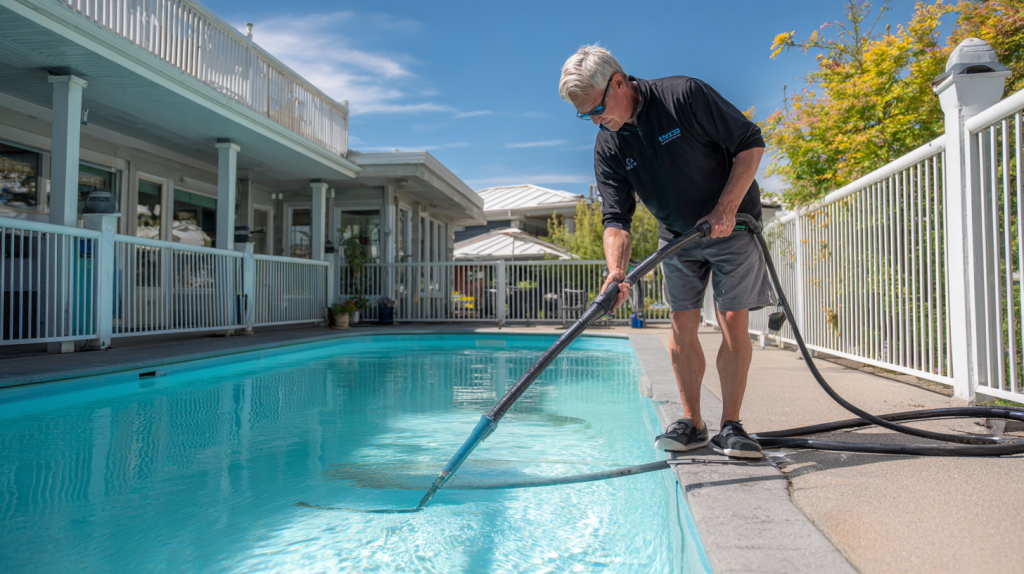
If your pool water looks cloudy, you might be wondering what product you need — a clarifier or a flocculant. They both clear up water, but they work differently and are used in different situations.
In this guide, we break down the differences between pool clarifier vs flocculant, when to use each one, and how to use them properly to get sparkling clean water again.
What Causes Cloudy Pool Water?
Cloudy water is often caused by:
-
Fine particles too small for the filter to catch
-
Dead algae after treatment
-
Poor water circulation
-
High calcium or debris from storms
-
Imbalanced chemicals (especially low chlorine or high pH)
Both clarifiers and flocculants are designed to help your water look clear again — but they solve the problem in different ways.
What Is a Pool Clarifier?
A pool clarifier gathers tiny particles (like dirt, pollen, dead algae) and binds them into larger clumps. These clumps are big enough to be captured by your pool filter.
✅ Best for:
-
Light cloudiness
-
Weekly or monthly maintenance
-
Pools with good filtration
How it works:
-
You add clarifier while the pump is running
-
Tiny particles stick together into larger clusters
-
Filter removes the clusters over the next 1–2 days
Pros:
-
Easy to use
-
No downtime required
-
Safe for regular use
Cons:
-
Takes 24–48 hours to fully clear water
-
Won’t work well if your filter is dirty or damaged
What Is a Pool Flocculant?
A pool flocculant (or floc) binds particles together like a clarifier — but instead of floating, the clumps sink to the bottom of the pool. You then vacuum them out manually.
✅ Best for:
-
Severe cloudiness
-
Thick dust after storms
-
Post-algae treatment cleanup
-
Pools without functioning filters
How it works:
-
Add floc with the pump on
-
Let the pump run for 2 hours to circulate
-
Turn off the pump for 8–12 hours to let debris settle
-
Vacuum to waste (not filter) to remove the settled sludge
Pros:
-
Clears heavily contaminated water quickly
-
Doesn’t depend on filter performance
Cons:
-
Requires manual vacuuming
-
Cannot use the pool for 24+ hours
-
Not ideal for regular maintenance
Pool Clarifier vs Flocculant: Comparison Table
| Feature | Clarifier | Flocculant |
|---|---|---|
| Use for | Mild cloudiness | Severe cloudiness |
| Filter needed? | Yes | No (vacuum to waste) |
| Time to clear water | 24–48 hours | 1 day (manual) |
| Effort required | Low | High (vacuum manually) |
| Pool usable during? | Yes | No |
| Cost per dose | Low | Medium |
| Ideal for | Weekly clarity boost | Emergency clean-ups |
When to Use a Clarifier
-
After a party or high bather load
-
Following mild storms or pollen exposure
-
As part of your regular water care routine
-
When the water is slightly dull but not milky
When to Use a Flocculant
-
After a heavy dust storm
-
Following algae treatment
-
When the pool looks milky or thick
-
If you need fast results before an event
How to Use a Clarifier (Quick Steps)
-
Clean filter and baskets
-
Add clarifier as directed (usually 40–60 ml per 10,000L)
-
Run the pump for 8–12 hours
-
Check water clarity in 24–48 hours
-
Clean the filter after use
How to Use a Flocculant (Quick Steps)
-
Balance pH and turn pump to circulate
-
Add floc per instructions
-
Run pump for 2 hours, then shut off
-
Leave undisturbed for 8–12 hours
-
Vacuum to waste slowly (don’t stir up sediment)
-
Top up water and rebalance chemicals
Can You Use Both Clarifier and Floc?
Not at the same time. They have opposite methods:
-
Clarifier keeps particles suspended to be filtered
-
Floc sinks particles so they can be vacuumed
Choose one based on the level of cloudiness and your pool’s condition.
Conclusion
So, are pool clarifiers and flocculants the same thing? No — but they’re both useful.
-
Use clarifiers for mild cloudiness and maintenance
-
Use flocculants when your pool looks like a swamp or after algae and dust storms
Still not sure which to use? Visit our pool products section or chat to our team in-store for fast advice and the right solution for your water.
FAQ
No. Clarifiers bind particles so your filter can remove them. Flocculants bind particles and sink them to the bottom for manual vacuuming.
Use a clarifier for mild cloudiness, after parties, light debris, or as regular maintenance. It works best when your pool filter is clean and effective.
Use flocculant when your water is very cloudy, after dust storms, or following algae treatments. It clears thick debris fast — but you’ll need to vacuum manually.
No. They work in opposite ways. Using both may cancel their effects or clog your system. Use one product at a time depending on your water issue.
Yes. Many pool owners use clarifier weekly or fortnightly to maintain water sparkle. Follow dosing instructions to avoid overuse.
Yes. Floc binds particles and drops them to the pool floor. You must vacuum them to waste — don’t try to use your filter or automatic cleaner.
Yes. Clarifiers are generally safe for swimming, but check the product label. The pool should stay open while the filter does the work.
Usually 12–24 hours. You’ll see sediment settle on the floor within 8–12 hours. Vacuum the settled layer slowly to avoid re-clouding the water.
Yes. Floc works in both chlorine and saltwater pools. Always check the product is marked as compatible with your pool type before use.
Visit our [pool products](https://www.pumpandpoolpeople.com.au/) page for trusted clarifiers, flocculants, test kits, and filter cleaners to restore your pool clarity.