


Articles
Can I Use Bore Water in My Pool? Pros, Cons and Warnings
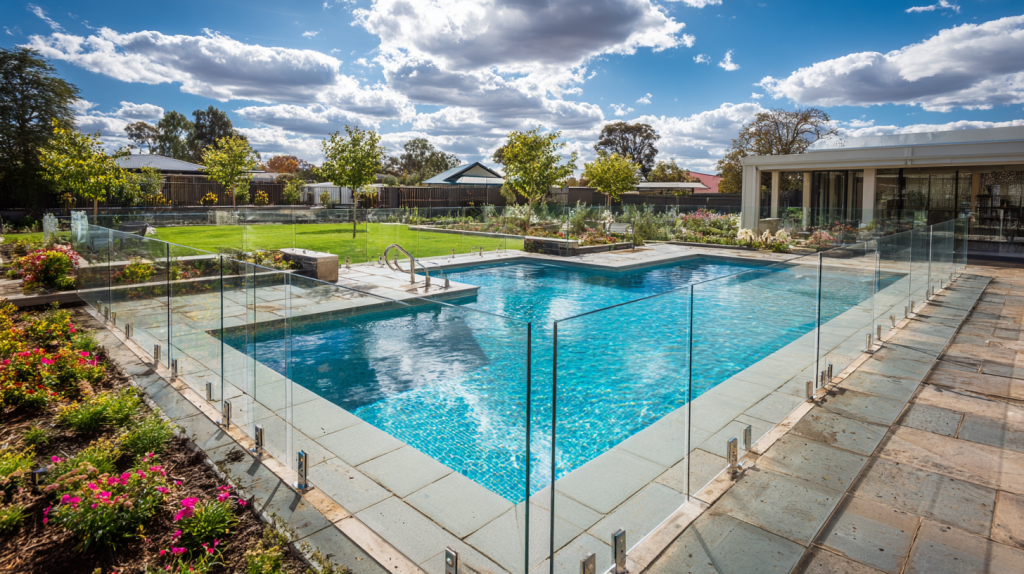
With water restrictions and rising costs, many Aussie pool owners ask: can I use bore water in my pool? The answer is yes — but only if you understand the risks and treat the water properly.
This guide explains the benefits and downsides of using bore water, what to test for, and how to avoid damaging your pool.
What Is Bore Water?
Bore water is groundwater pumped up from underground aquifers. It’s not treated like tap water and can vary in:
-
Mineral content
-
Salinity
-
Iron, manganese, or calcium levels
-
pH or acidity
-
Hardness
Because it’s unregulated, it’s essential to test bore water before using it in your pool.
Pros of Using Bore Water
✅ 1. Cost Savings
Bore water is free once you’ve installed the pump. You avoid costly water bills, especially for filling or topping up large pools.
✅ 2. Useful During Water Restrictions
During droughts or local bans on outdoor tap use, bore water gives you flexibility to keep your pool topped up legally.
✅ 3. Eco-Friendly (in the right conditions)
Reusing available natural water sources helps conserve drinking water — but only when done responsibly.
Cons and Risks of Bore Water in Pools
❌ 1. Metal Staining
Bore water often contains iron and manganese, which can:
-
Turn water brown or green
-
Stain pool walls or floor
-
Discolour hair and swimwear
❌ 2. High Mineral Content
High calcium, salts or magnesium can:
-
Cause scale buildup on surfaces and inside equipment
-
Affect chlorine efficiency
-
Reduce pump and filter lifespan
❌ 3. Unbalanced pH and Alkalinity
Bore water may be:
-
Too acidic or too alkaline
-
Out of balance chemically
-
Likely to cause corrosion or irritation if untreated
❌ 4. Unknown Contaminants
Bore water can contain:
-
Organic matter
-
Fertiliser runoff
-
Pathogens or bacteria
These must be neutralised before the pool is safe to swim in.
Can I Just Pump It In?
No. Never add untreated bore water directly to a pool without first:
-
Testing it
-
Filtering it
-
Adjusting chemical levels
If you’re unsure, our team can help test your bore water or recommend the right pre-treatment products from our pool products range.
What to Test in Bore Water
| Parameter | Target Range |
|---|---|
| pH | 7.2–7.6 |
| Total Alkalinity | 80–120 ppm |
| Calcium Hardness | 200–350 ppm |
| Iron & Manganese | 0 ppm (preferably) |
| Salinity | Depends on chlorinator type |
| TDS (Total Dissolved Solids) | Below 1500 ppm |
How to Make Bore Water Pool-Ready
✅ 1. Use a Pre-Filter
Connect a cartridge or sediment filter to your bore pump to reduce:
-
Mud
-
Sand
-
Fine organic matter
✅ 2. Use a Metal Sequestrant
These bind iron and manganese to prevent staining. Add them before or during filling.
We stock trusted sequestrants in our pool products section.
✅ 3. Balance Your Water
After filling, test and adjust:
-
pH
-
Alkalinity
-
Calcium hardness
-
Chlorine or salt levels
Add chlorine gradually and monitor for colour changes or cloudiness.
✅ 4. Use Clarifier or Flocculant if Needed
If water is discoloured, use a clarifier to bind small particles. For stubborn metal staining, use a floc and vacuum to waste.
Maintenance Tips After Using Bore Water
-
Test water weekly
-
Brush walls and vacuum regularly
-
Monitor for staining or cloudy patches
-
Backwash or clean filters more often
Should You Avoid Bore Water Altogether?
Not necessarily. Bore water can be safe and cost-effective if treated and monitored properly.
But if you have:
-
High iron or salt content
-
Frequent staining issues
-
Sensitive or high-end pool finishes
…you may be better using tap water or partially blending with bore water (e.g. 50/50).
Conclusion
So, can you use bore water in your pool?
Yes — but only after proper filtration and chemical treatment.
-
Always test for metals, pH, and hardness
-
Add sequestrants to prevent stains
-
Balance water before swimming
-
Monitor closely for changes in clarity or colour
Need help testing or treating bore water? Explore our pool products or visit our store for expert advice.
FAQ
Yes, but only after testing and pre-treating it. Bore water often contains iron, salts, and minerals that can stain or damage your pool if untreated.
Yes. If it contains iron or manganese, it can turn water green or brown and stain pool surfaces. Use a metal sequestrant to prevent this.
Yes. Use a sediment or cartridge filter to remove fine debris and dirt. This helps protect your pool finish and pump from clogging or abrasion.
Not without treatment. Bore water may contain bacteria, metals, or imbalanced pH. Treat and test thoroughly before swimming.
You’ll likely need a metal sequestrant, pH adjusters, calcium balancers, and chlorine. Test the water after filling and dose accordingly.
Yes, but make sure the salinity matches your chlorinator’s requirements and test for iron and metals. High salt or metal levels may damage the chlorinator cell.
Use a clarifier or flocculant to bind particles and improve filtration. Make sure your filter is clean and running at the correct pressure.
Yes. High metal or organic loads can consume chlorine faster. You may need to dose more frequently until the water is fully balanced.
Visit our [pool products](https://www.pumpandpoolpeople.com.au/) section for metal removers, pre-filters, clarifiers, and all your pool care needs.
Yes, but check with your local council first. Some areas may require permits, especially during drought or water restriction periods.