


Articles
How to Build a Pool Maintenance Routine That Actually Works
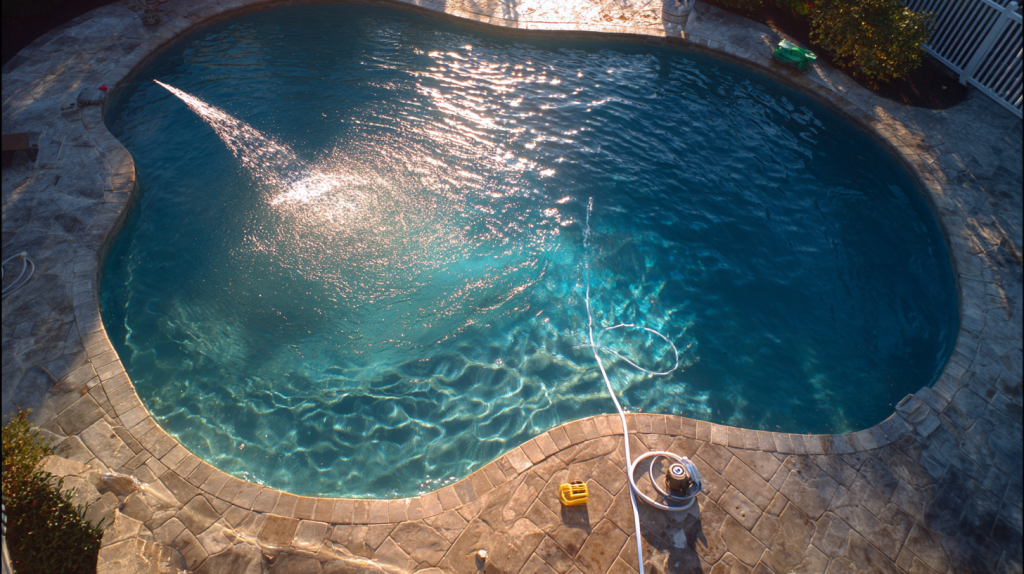
A sparkling pool doesn’t happen by luck — it happens with consistency. But many pool owners either do too much, too little, or get overwhelmed by unclear advice. The key to easy, stress-free pool care is having a routine that’s simple, repeatable, and suits your lifestyle.
In this guide, we’ll show you how to build a pool maintenance routine that actually works — breaking it down by daily, weekly, monthly and seasonal tasks so nothing gets missed (and nothing gets overdone).
Why You Need a Pool Maintenance Routine
Without a routine, your pool can quickly go from clean to cloudy — or worse, green and unusable. Staying consistent helps you:
-
Keep water clear and safe
-
Avoid costly equipment damage
-
Catch problems early
-
Reduce chemical use over time
-
Enjoy your pool without constant stress
With just 10–15 minutes a few times per week, you can keep your pool in top condition all year round.
Your Daily Pool Maintenance Tasks (2–5 Minutes)
If you swim daily or it’s peak summer, spend a few minutes doing the following:
✅ Check Water Level
Make sure it’s halfway up the skimmer opening. Top up with a hose if it’s low.
✅ Empty Skimmer Baskets
Leaves and debris block water flow. Clear them daily during windy or leafy periods.
✅ Quick Visual Check
Look for:
-
Cloudy or green water
-
Algae patches
-
Unusual noises from equipment
Spotting small issues early prevents big repairs later.
Your Weekly Pool Maintenance Routine (15–20 Minutes)
Once a week, set aside time for these core tasks:
✅ Test and Balance the Water
Use test strips or a liquid test kit to check:
-
Chlorine
-
pH (ideal 7.2–7.6)
-
Alkalinity (ideal 80–120 ppm)
Adjust with chemicals as needed. You’ll find everything from chlorine to balancing agents in our range of pool products.
✅ Brush the Walls and Floor
Use a pool brush to scrub walls, steps, and corners where algae like to grow.
✅ Vacuum or Run Your Cleaner
Manual or robotic — either way, remove sediment and fine debris from the bottom.
✅ Check Chlorine Levels
Top up your chlorine manually or check your chlorinator output if you’re running a saltwater pool.
Your Monthly Pool Maintenance Tasks
Once a month, go a bit deeper:
✅ Clean the Filter
-
Backwash if you have a sand or DE filter
-
Hose out cartridge filters
-
Check filter pressure gauge
A dirty filter reduces water clarity and increases chemical use.
✅ Test Stabiliser (Cyanuric Acid)
If it’s too low, your chlorine will burn off fast. Too high, and chlorine stops working effectively.
✅ Inspect Pool Equipment
Look over the pump, chlorinator, heater and pipes for:
-
Leaks
-
Scale buildup
-
Strange noises
Early detection = cheaper repairs.
Your Seasonal Pool Maintenance Checklist
Each season brings unique pool needs. Here’s what to do:
✅ Summer
-
Run pump longer (8–12 hours/day)
-
Test more frequently (2–3x per week)
-
Check chlorine daily in hot weather
-
Keep leaf cover off surface
✅ Autumn
-
Net leaves daily to avoid staining
-
Reduce pump time gradually
-
Consider a pool cover to keep debris out
✅ Winter
-
Lower pump run time (4–6 hours/day)
-
Balance pH and alkalinity before winter
-
Add winter algaecide if needed
-
Cover the pool if not in use
✅ Spring
-
Deep clean pool surfaces
-
Shock the pool and rebalance
-
Inspect and service equipment
-
Remove or clean cover thoroughly
Smart Tips to Stay on Track
-
Set a recurring reminder on your phone for weekly checks
-
Keep a laminated checklist near your pool gear
-
Store all your chemicals and tools together for easy access
-
Record test results in a log (app or notebook) to spot trends
And don’t forget — we’ve got all your essentials in one place. From brushes to chemicals, you’ll find everything you need in our full range of pool products.
Conclusion
A clean, healthy pool isn’t about working harder — it’s about staying consistent. With a simple daily, weekly, monthly and seasonal routine, you’ll spend less time fixing problems and more time enjoying your pool.
Need help getting started? Stock up on high-quality pool products and let us help you make pool care easier, faster and more effective.
Frequently Asked Questions
Test at least once per week for chlorine, pH and alkalinity. During hot weather or heavy use, test 2–3 times a week. More frequent testing helps prevent algae, cloudy water and irritation.
Water balance is the key. Keeping chlorine, pH and alkalinity within the correct range helps prevent 90% of common pool problems — from algae to scale buildup.
In summer: 8–12 hours per day. In winter: 4–6 hours. The warmer the water, the more filtration you need. Adjust based on usage and weather.
Yes. Pool cleaners don’t scrub walls or tight corners where algae can grow. Brushing helps loosen buildup and keeps surfaces healthy and clean.
Use a printed checklist or set calendar reminders for weekly and monthly jobs. You can also use pool care apps to log test results and get alerts.
Backwash when your pressure gauge is 8–10 psi above normal, or once a month during high use. A clean filter improves water flow and chemical efficiency.
Yes, especially during autumn and winter. Covers reduce debris, water loss, chemical use, and energy costs. They also help retain heat if you’re using a heater.
No. Even if you’re not swimming, you still need to run the pump, test water, and check equipment. Neglect during winter often leads to green water and big clean-ups in spring.
Hose it out once a month and soak it in filter cleaner every few months. Replace every 1–2 years depending on use and water conditions.
You can find all your maintenance gear, chemicals, test kits, cleaners and more in our [pool products](https://www.pumpandpoolpeople.com.au/) section online. We make pool care simple and stress-free.