


Articles
How to Fix Cloudy Pool Water After a Storm
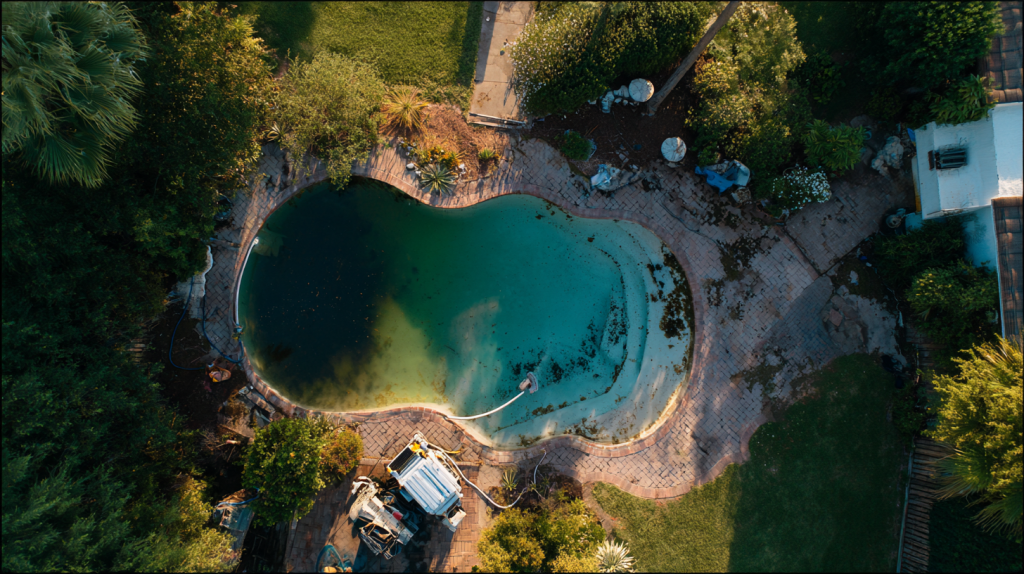
A heavy rainstorm can do more than just fill your pool — it can leave your water looking cloudy, dirty, or even unsafe to swim in. If you’ve walked outside after a storm to find your pool looking more like a pond, don’t panic. Fixing cloudy pool water after rain is easier than you think, and it doesn’t require a full water change.
In this guide, we’ll walk you through the steps to restore clear water fast, and how to stop it from happening next time.
Why Storms Make Pool Water Cloudy
When it rains, your pool is exposed to:
-
Debris (leaves, dirt, grass, dust)
-
Diluted chemicals (from excess water)
-
Runoff (from nearby garden beds or pavers)
-
Algae spores carried by wind and rain
All of this throws off your water balance. Chlorine levels drop, pH and alkalinity shift, and organic matter feeds bacteria or algae. The result? Cloudy or milky water, even if the pool looked perfect before the storm.
Step 1: Remove Debris Quickly
Start by skimming the surface and vacuuming the bottom of your pool. Remove:
-
Leaves and branches
-
Grass clippings
-
Insects
-
Any floating debris
The sooner you do this, the better. Organic debris can cause chemical imbalance, clog filters, and promote algae growth. Use a leaf net and manual vacuum for best results.
Step 2: Check and Adjust Water Level
Heavy rain can overfill your pool. If water is touching the coping or overflowing, lower it to the correct level (about halfway up the skimmer box opening).
You can do this by:
-
Backwashing (for sand filters)
-
Draining to waste (if your system allows it)
-
Using a submersible pump or siphon
Maintaining the right level helps the skimmer work properly and improves circulation.
Step 3: Test Your Water
Use test strips or a liquid test kit to check:
-
Free chlorine
-
pH level
-
Total alkalinity
-
Cyanuric acid (stabiliser)
-
Calcium hardness (if relevant)
Rainwater is usually acidic and dilutes sanitiser, so your pH may be low and chlorine levels near zero.
Step 4: Balance the Chemicals
Based on your test results:
-
Raise chlorine if it’s low (add liquid chlorine or shock)
-
Adjust pH to 7.2–7.6 (using soda ash or pH decreaser)
-
Correct total alkalinity to 80–120 ppm
-
Re-stabilise cyanuric acid if it dropped below 30 ppm
You’ll find all the balancing agents and test kits you need in our full range of pool products.
Step 5: Shock the Pool
Even if chlorine isn’t zero, a heavy shock helps kill bacteria and break down any contaminants.
Use a granular or liquid pool shock:
-
Run the pump for at least 8 hours
-
Leave the pool uncovered
-
Avoid swimming until chlorine returns to safe levels (1–3 ppm)
Cloudy water after rain usually clears up faster after a proper shock treatment.
Step 6: Run the Filter Non-Stop
Let your pool pump and filter run for at least 24 hours. This helps trap fine particles and restores circulation.
-
Backwash sand or DE filters after a few hours
-
Rinse cartridge filters if pressure rises
If your filter isn’t working well, it might be time for a clean or replacement. We stock quality filter media and replacements in our pool products collection.
Step 7: Use a Clarifier or Flocculant
Still cloudy after 24 hours? Add a clarifier to bind tiny particles into clumps your filter can catch.
If your pool is really milky:
-
Use a flocculant (also called a “floc”)
-
Let particles settle overnight
-
Vacuum the pool floor to waste (don’t filter)
These products give your water that final polish and speed up clarity.
Step 8: Brush and Clean Pool Surfaces
Use a pool brush on:
-
Pool walls
-
Steps and swim-outs
-
Behind ladders and around drains
This dislodges algae or dirt that might be feeding bacteria and helps sanitiser reach everywhere.
Step 9: Retest and Adjust as Needed
After 1–2 days, retest your pool. Adjust chlorine or pH if needed. If the water’s still cloudy, repeat the shock or clarifier process. Sometimes it takes a few days to fully recover — but consistent filtering and balancing will always get you there.
Step 10: Prevent Future Cloudy Water
To reduce the chance of cloudy water after the next storm:
-
Use a pool cover during heavy rain
-
Keep chemicals balanced (check weekly)
-
Cut back overhanging trees
-
Check filter pressure and backwash regularly
-
Clean skimmer baskets often
Keeping the water balanced and clear helps your pool resist storm impact and bounce back quicker when bad weather hits.
Conclusion
Cloudy water after a storm is annoying — but totally fixable. With quick cleanup, water testing, chemical balancing and a strong filtration run, your pool will be sparkling again in no time.
Want to make sure you’re ready for the next downpour? Explore our wide range of pool products — from clarifiers and test kits to pumps, filters and cleaning tools. A few smart supplies can save you hours of work and keep your pool ready to dive in year-round.
Frequently Asked Questions
Rainwater can dilute your pool chemicals, introduce organic matter, and lower pH levels. It also washes in dirt and algae spores. This upsets water balance and causes cloudiness, even if the pool looked clean before the storm.
It’s not recommended. Cloudy water might mean bacteria levels are high or chlorine is too low. Wait until the water is clear and all chemical levels are back in the safe range before swimming.
Remove debris, test and rebalance chemicals, shock the pool, and run the filter continuously. You can also use a clarifier to speed up the process. Flocculants work well if the water is very cloudy but require vacuuming to waste.
Yes, especially if the water is cloudy or chlorine is low. Shocking kills bacteria and breaks down organic contaminants from rain, leaves, and runoff. It’s one of the fastest ways to restore clarity.
Run it for at least 24 hours continuously to help filter out fine particles and restore circulation. If water is still cloudy, continue running the pump during the day and backwash or clean the filter regularly.
A clarifier binds small particles into larger ones that your filter can catch. A flocculant drops particles to the bottom of the pool, which must then be vacuumed to waste. Clarifiers are better for mild cloudiness, flocculants for heavier problems.
Technically yes, but pool-grade chlorine is more effective and predictable. Household bleach also lacks stabiliser (cyanuric acid), which protects chlorine from sunlight. For best results, use pool-specific shock or sanitiser products.
If the water is overflowing or very high, yes. Lowering it helps the skimmer function correctly. You can drain to waste, backwash, or siphon excess water. Keeping water at mid-skimmer height ensures proper filtration.
Test it the next morning after heavy rain, and again 1–2 days later if you’re adjusting chemicals. Regular weekly testing also helps prevent bigger problems when storms hit unexpectedly.
You can shop high-quality clarifiers, flocculants, test kits and cleaning gear in our full range of [pool products](https://www.pumpandpoolpeople.com.au/). We’ve got everything you need to fix cloudy water fast and keep your pool ready to swim.