


Articles
How to Protect Your Pool from Storms and Heavy Rain
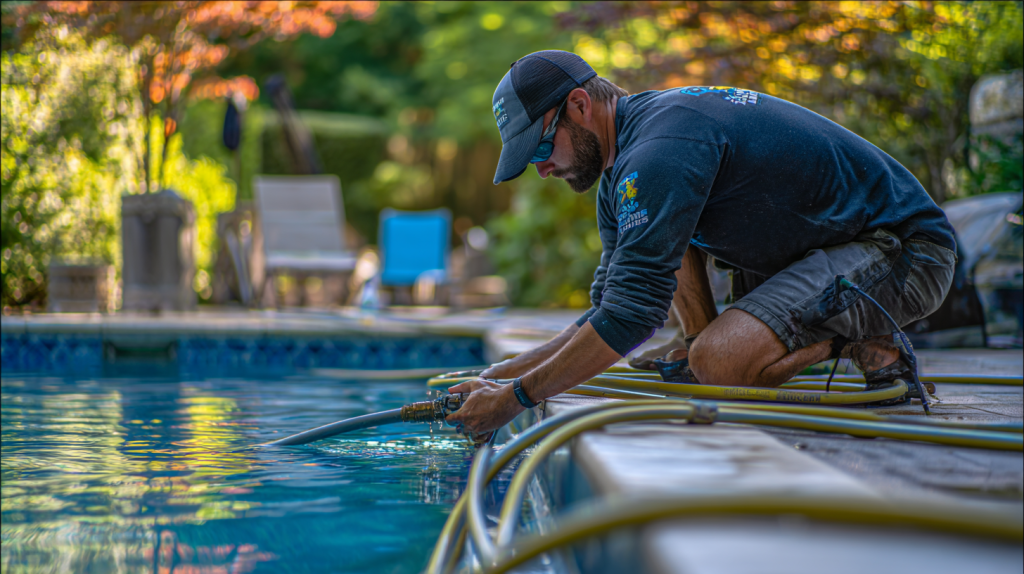
Storms in Australia can arrive fast — and leave behind a big mess in your pool. Leaves, debris, flooded equipment, green water, and even damaged surfaces are all common after heavy rain or wind.
But it doesn’t have to be that way.
This guide shows you exactly how to protect your pool from storms, with simple steps to take before, during and after bad weather hits.
Why Storm Prep Matters
Storms can affect your pool in many ways:
-
Flooding the skimmer and pool deck
-
Overloading filters with debris
-
Washing in dirt, fertiliser or contaminants
-
Diluting chlorine and throwing off water balance
-
Damaging equipment or pool covers
A few minutes of prep can save hours of cleanup and expensive repairs.
Step 1: Before the Storm — Prepare Your Pool
✅ Balance the Water
Start with a chemical check:
-
pH: 7.2–7.6
-
Chlorine: 2–3 ppm
-
Alkalinity: 80–120 ppm
-
Stabiliser: 30–50 ppm
Balanced water fights off bacteria and algae that can bloom after a storm. Add a shock dose of chlorine the night before if one’s forecast.
✅ Turn Off Your Pump and Equipment
Power outages or surges during a storm can damage your:
-
Pump motor
-
Chlorinator
-
Timer
-
Heater
Switch off at the circuit breaker before the storm hits. If you expect flooding, disconnect or move small plug-in equipment to safety.
✅ Secure Pool Furniture and Loose Items
Strong winds can turn pool chairs, toys, skimmers or umbrellas into projectiles. Store or tie down:
-
Poolside furniture
-
Cleaning poles or nets
-
Inflatable pool toys
-
BBQs or portable heaters
If you have a robotic cleaner, remove it from the pool and store it indoors.
✅ Lower the Water (If Needed)
If your area is prone to flooding, you may want to lower the water level slightly — just below the skimmer.
Note:
-
Don’t empty the pool
-
Leave room for rainfall
-
Avoid this step if your pool has an overflow outlet
✅ Add Algaecide
A preventative algaecide can help stop green water after heavy rain. Use a non-copper, non-foaming formula, and follow the dosage based on pool volume.
You’ll find storm-ready algaecides in our full pool products section.
✅ Cover the Pool
If safe to do so, use your pool cover to:
-
Keep debris out
-
Reduce chemical dilution
-
Prevent stains from dirt or organic matter
Make sure it’s tightly secured. If winds are expected to be extreme, it may be safer to remove the cover and store it.
Step 2: During the Storm — Stay Safe
-
Do not swim in the pool
-
Stay away from power outlets and pool equipment
-
Avoid attempting any mid-storm cleaning or draining
-
Monitor water levels only if safe to do so
Let the storm pass before taking any action.
Step 3: After the Storm — Clean and Restore
✅ Remove Debris
Use a skimmer net to remove:
-
Leaves and branches
-
Insects and debris
-
Overflow from nearby garden beds
Don’t use the pump to clean up heavy debris — it can clog or damage the impeller.
✅ Clean Baskets and Backwash the Filter
-
Empty skimmer and pump baskets
-
Backwash or rinse your filter to remove trapped dirt
-
If the water is cloudy or green, run the pump continuously for 24 hours
Check your cartridge or media filter pressure and clean it again after a few hours.
✅ Test and Rebalance Chemicals
Rain dilutes chlorine and can drop pH levels.
Test and adjust:
-
Chlorine (shock again if needed)
-
pH and alkalinity
-
Stabiliser and calcium levels
If water is still green after shock and filtration, try a flocculant to drop debris to the bottom, then vacuum.
✅ Inspect Equipment
Look for:
-
Damp or flooded pump boxes
-
Disconnected wiring
-
Dirty or clogged chlorinator cells
Let equipment dry fully before turning it back on if there’s been any water exposure.
Optional: Use a Storm-Prep Chemical Kit
Some kits combine:
-
Algaecide
-
Clarifier
-
Shock
-
Water balancer
These are great for quick pre-storm treatment or recovery. Find full chemical packs in our pool products range.
Conclusion
Storms don’t have to ruin your pool. By taking a few simple steps before the bad weather hits — and cleaning up correctly afterward — you can avoid green water, chemical headaches and equipment damage.
Need shock, algaecide, flocculant or testing gear? Visit our full range of pool products to stock up on storm-season essentials and protect your pool the smart way.
Frequently Asked Questions
Yes. Switch off your pump and equipment at the breaker before the storm hits to avoid electrical damage from surges or flooding. Only turn it back on once it’s safe and dry.
Yes. Rain can dilute chlorine, lower pH, and introduce dirt and bacteria. It’s important to test and rebalance your water after a storm to prevent algae and cloudiness.
Only if your area is prone to flooding and your pool doesn’t have an overflow outlet. Lower the water just below the skimmer to allow for rainfall — but never drain your pool.
No. Wait until the water is tested and properly balanced. Rain and debris can introduce bacteria, and equipment may need to be inspected before it’s safe again.
Shock the pool with chlorine, brush all surfaces, run the pump continuously, and backwash the filter. If water remains green after 48 hours, use a flocculant or algaecide to clear it up.
Yes — if winds are not too strong. Covers can help prevent debris and reduce chemical loss. But in very strong winds, it’s safer to remove and store the cover securely.
Yes. Adding a preventative algaecide can help stop algae growth caused by rainwater and debris. Use a non-copper, non-foaming formula for best results.
Turn off power immediately. Let the equipment dry fully before inspecting. If water entered electrical parts, have a technician check it before turning it back on.
Run it for 24–48 hours continuously to help clear debris, circulate chemicals, and restore water clarity. Clean the filter regularly during this period.
You’ll find shock, algaecides, clarifiers, testing kits and more in our full [pool products](https://www.pumpandpoolpeople.com.au/) range — ideal for storm prep and fast recovery.