


Articles
How to Run Your Pool Pump Efficiently Without Sky-High Bills
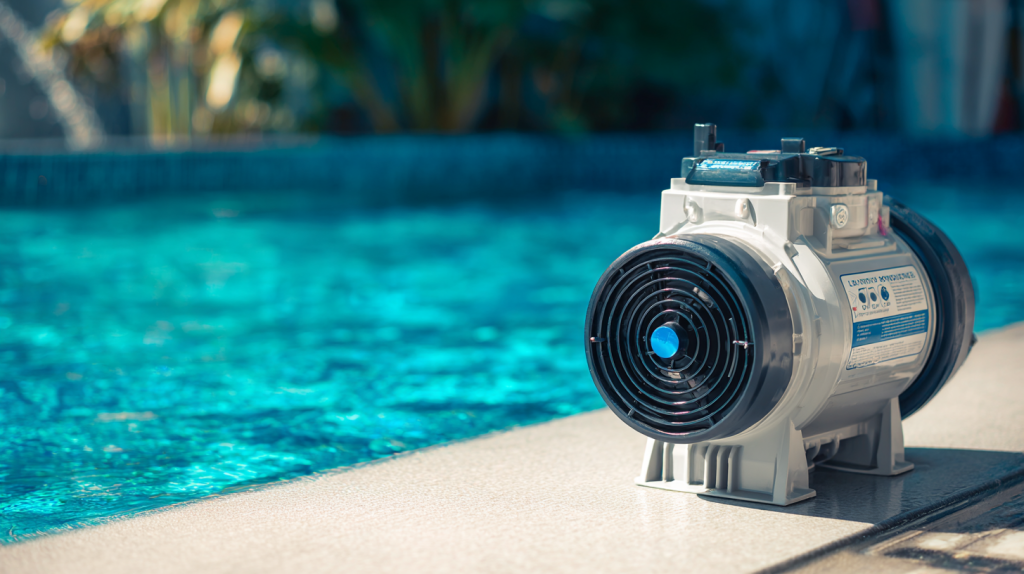
Your pool pump is one of the most important pieces of equipment — but also one of the most expensive to run. If your power bills are creeping up or you’re unsure how long to run your pump each day, you’re not alone.
In this guide, we’ll show you how to run your pool pump efficiently without sacrificing water quality. You’ll learn how to cut running costs, choose better settings, and keep your pool clean with less effort.
Why Pool Pump Efficiency Matters
Running your pump is non-negotiable — it:
-
Circulates water to keep it sanitised
-
Pushes debris through the filter
-
Prevents algae growth and cloudy water
-
Supports chlorinators and other treatment systems
But running your pump longer than necessary can cost you hundreds of dollars per year. Smart operation keeps your pool healthy and your electricity bill under control.
How Long Should I Run My Pool Pump?
There’s no one-size-fits-all answer. It depends on:
-
Pool size
-
Season and weather
-
Bather load
-
Filter type
-
Pump speed (single vs variable)
General guidelines:
-
Summer: 8–12 hours per day
-
Winter: 4–6 hours per day
-
Saltwater pools: Minimum run time required to support chlorine generation
Split the run time into 2 cycles (e.g. morning and evening) to improve circulation.
Calculate Your Ideal Pump Run Time
Here’s a simple formula:
Pool volume (L) ÷ pump flow rate (L/hour) = hours to turn over entire pool once
For example:
-
Pool volume: 50,000L
-
Pump flow rate: 10,000L/hour
-
50,000 ÷ 10,000 = 5 hours
Most pools need at least one full turnover daily. Use this as a starting point, then adjust for seasonal changes.
Top Tips to Lower Pump Running Costs
✅ 1. Use a Pump Timer
A timer ensures consistent run times and prevents overuse. Program it to run during off-peak electricity hours if available.
✅ 2. Run the Pump During Daylight Hours
If using chlorine or a salt chlorinator, run the pump during the day when chlorine breakdown from UV is highest.
✅ 3. Clean Baskets and Filters Regularly
A clogged filter increases pump pressure and energy use. Empty baskets weekly and backwash or rinse filters monthly.
✅ 4. Use a Variable-Speed Pump
Variable-speed pumps are the most energy-efficient option. They let you run at a lower speed for longer — using less energy overall.
They cost more upfront but can save $300–$800 per year in electricity.
We stock a range of pumps, timers and maintenance tools in our pool products section to help you cut costs without cutting performance.
Avoid These Common Pump Mistakes
❌ Running it 24/7
Unless your water is green, this is unnecessary and expensive.
❌ Running too short in hot weather
Algae grows fast in heat. Running less than 6 hours on a 35°C day can be risky.
❌ Using an undersized or oversized pump
Too small = poor circulation
Too big = energy waste and equipment wear
Get your pump flow rate and pipe sizing checked if unsure.
Upgrade Options That Save Energy
✅ Variable-Speed Pumps
Use lower speeds during off-peak times and higher speeds during heavy cleaning or backwashing.
✅ Energy-Efficient Filters
Large filters reduce resistance and improve flow. Cartridge filters save water (no backwashing) and often run with smaller pumps.
✅ Solar-Assist Systems
Solar power or timers synced with solar panels can reduce pump electricity costs dramatically.
When Should You Run the Pump More?
-
After a storm (debris and water imbalance)
-
After heavy swimming use (increased bacteria)
-
During algae treatment or pool shocking
-
If your pool looks cloudy or hazy
In these cases, run the pump for 24 hours, then return to your usual schedule.
When to Consider Pump Replacement
If your pump is:
-
Over 8 years old
-
Loud or rattling
-
Leaking or overheating
-
Constantly tripping power
…it might be time for an upgrade. Newer pumps are quieter, more efficient, and better matched to modern filters and chlorinators.
Explore your options in our reliable range of pool products — including high-performance pumps and accessories to match.
Conclusion
Running your pool pump efficiently isn’t about doing less — it’s about running smarter. By using timers, maintaining your system, and choosing the right pump for your pool, you can save hundreds in electricity while keeping your water crystal clear.
Want to reduce your running costs without risking water quality? Browse our full range of pool products and find the tools and gear that make pool care simple, smart and cost-effective.
Frequently Asked Questions
Most pools need 6–8 hours in summer and 4–6 hours in winter. Larger or heavily used pools may need more. Use a timer and adjust with the seasons.
Yes, especially if your power company offers off-peak rates. But if you have a saltwater system or use daytime chlorine, it’s best to run it during sunlight hours to keep sanitiser levels stable.
Yes. Splitting run time into two or more sessions improves water circulation and helps chemicals distribute more evenly across the day.
They let you run your pump at lower speeds for longer, which uses far less energy. You can save hundreds per year in power bills, especially in larger pools or warmer climates.
Old or oversized pumps, dirty filters, clogged baskets, or high-speed settings increase energy use. A clean, well-sized, and efficient system saves the most.
Yes, but only up to a point. Good filtration time combined with balanced water and proper cleaning is what keeps your pool clear. Running it 24/7 isn’t necessary unless you’re treating a specific problem.
No. Your pump should continue to run on a timer daily while you’re away. This prevents stagnation and algae growth. Reduce run time if needed, but don’t switch it off entirely.
Install a timer, clean your filter regularly, and switch to a variable-speed pump. You can also run the pump during off-peak hours or cover the pool to reduce chlorine loss.
Replace if it’s over 8–10 years old, running noisily, leaking, or using more power than normal. Modern pumps are quieter, more efficient and easier to program.
You’ll find variable-speed pumps, timers, filters, and cleaning gear in our [pool products](https://www.pumpandpoolpeople.com.au/). We help you save money and keep your pool crystal clear.