


Articles
How to Store Pool Chemicals Safely at Home
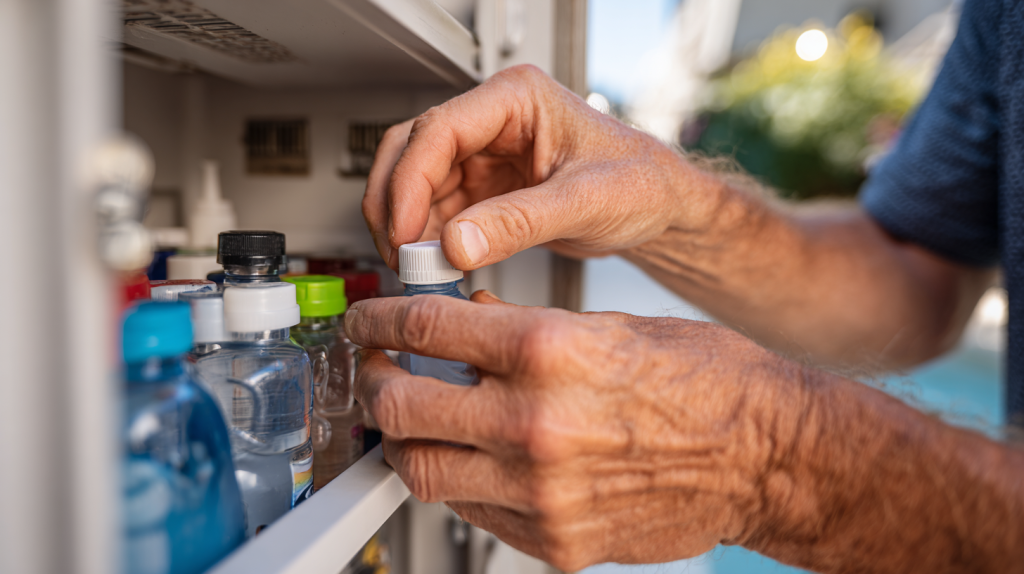
Pool chemicals are essential for keeping your water clean and safe, but they also require proper handling and storage. When stored incorrectly, these products can become dangerous — not just for you, but for your family, pets, and property.
In this guide, we explain exactly how to store pool chemicals safely at home, what to avoid, and tips to make your storage setup efficient and compliant.
Why Safe Storage of Pool Chemicals Matters
Pool chemicals are reactive. Some are corrosive, flammable or hazardous when mixed — even by accident. Storing them the wrong way can result in:
-
Dangerous gas releases
-
Fire or explosion risk
-
Corrosion to metal, concrete, or plastic
-
Damage to nearby items (lawn gear, power tools, etc.)
-
Safety risks for pets or children
Using the correct storage methods protects your family, your home, and your investment in pool products.
1. Store Chemicals in a Cool, Dry, Ventilated Area
Heat and humidity can trigger unwanted chemical reactions. Always choose a location that is:
-
Cool (ideally under 25°C)
-
Dry (no moisture or pooling water)
-
Well-ventilated (not airtight)
Avoid: Sheds with metal roofs that trap heat or damp areas near the pool itself.
2. Keep Chemicals in Their Original Containers
Pool chemicals should never be transferred into unlabelled tubs, glass jars, or reused containers.
Original packaging:
-
Lists safety instructions and expiry dates
-
Is made from chemical-resistant plastic
-
Helps avoid accidental misuse
If a label becomes unreadable, do not guess — replace the product.
3. Separate Incompatible Chemicals
Some pool chemicals should never be stored together, including:
-
Chlorine (oxidisers) and acids (like hydrochloric acid)
-
Liquid chlorine and dry chlorine (calcium hypochlorite)
-
Shock and algaecide
Mixing them — even accidentally through fumes or leaks — can result in toxic gases or fire.
Best practice: Use separate shelves or cabinets for different product types.
4. Use Lockable Cabinets or Storage Bins
If you have kids or pets, storage security is a must.
Use:
-
Lockable outdoor cabinets
-
Weather-resistant storage boxes
-
Plastic shelving units, not metal (to avoid corrosion)
Label each compartment clearly and keep the area tidy.
You’ll find approved containers and maintenance aids in our range of pool products.
5. Keep Chemicals Away from Sunlight
Direct sun exposure can break down chlorine and cause chemical containers to degrade faster.
Keep storage:
-
Indoors if possible
-
In shaded areas if outdoors
-
Covered and away from UV light
This also helps extend the shelf life of your pool chemicals.
6. Do Not Store Near Electrical Equipment or Fuel
Avoid placing pool chemicals near:
-
Lawn mower fuel
-
BBQ gas bottles
-
Generators or extension cords
-
Battery chargers
Fumes from pool products can react with fuel vapours or cause corrosion to electrical items.
7. Always Close Lids Tightly
After every use:
-
Reseal containers immediately
-
Wipe down residue before storing
-
Store liquids upright
This helps reduce fumes, spills, and moisture exposure inside the packaging.
8. Don’t Stack Heavy Containers
Stacking can crush containers or cause chemical spills if they fall. If stacking is necessary:
-
Place heavier items at the bottom
-
Use anti-slip mats on shelves
-
Avoid storing anything above shoulder height
9. Avoid Mixing Old and New Products
Even if they seem similar, pool chemicals may contain different stabilisers, concentrations, or formulas. Never top up one bottle with another.
Stick to one brand or type per container and dispose of old stock safely.
10. Know What to Do in Case of a Spill
Keep basic protective gear nearby:
-
Safety goggles
-
Gloves
-
Dustpan and brush for dry spills
-
Absorbent pads for liquids
In case of a spill:
-
Ventilate the area
-
Avoid mixing cleaning products with the chemical
-
Use PPE and dispose of waste safely
Conclusion
Safe storage of pool chemicals is not just about ticking boxes — it’s about protecting your family and maintaining a functional, hassle-free pool setup.
Set aside a dry, shaded, secure space for your chemical storage. Keep items sealed, separated, and labelled — and you’ll reduce the risk of accidents while keeping your water perfectly balanced.
Need safe storage containers, test kits, or quality chemicals? Explore our range of trusted pool products designed for safe, effective use at home.
FAQ
Store pool chemicals in a dry, well-ventilated area that’s protected from direct sunlight. Avoid hot sheds or damp spots. Keep products locked away from kids and pets.
No. Never mix different chemical batches or brands, even if they appear similar. Doing so can trigger unexpected reactions or reduce the effectiveness of the products.
Ideally, store them in a secure outdoor cabinet that stays dry and shaded. If indoors, use a ventilated, low-traffic area that’s not near food, tools, or fuel.
Chlorine and acid can react to form toxic chlorine gas — even without touching. Always store them apart, preferably in separate containers or shelves.
Wear gloves and eye protection, ventilate the area, and clean up with a dry dustpan (for solids) or absorbent pad (for liquids). Never mix spilled products with other cleaners.
Most chemicals last 1–3 years if stored properly. Keep containers sealed, out of sunlight, and away from moisture to preserve their shelf life.
Only if the garage is cool, dry, and well-ventilated — and you don’t store fuel or tools nearby. Make sure kids can’t access the chemicals.
Yes. Liquid containers should always be stored upright to prevent leaks and spills. Dry chemicals should be sealed and placed securely on shelves.
While most pool chemicals aren’t flammable themselves, they can contribute to fire if exposed to heat or mixed with fuel or incompatible products. Always store them away from ignition sources.
You can find chemical-safe containers, lockable storage, and maintenance gear in our [pool products](https://www.pumpandpoolpeople.com.au/) section — built for Aussie backyards.