


Articles
How to Winterise Your Pool Properly in Australia
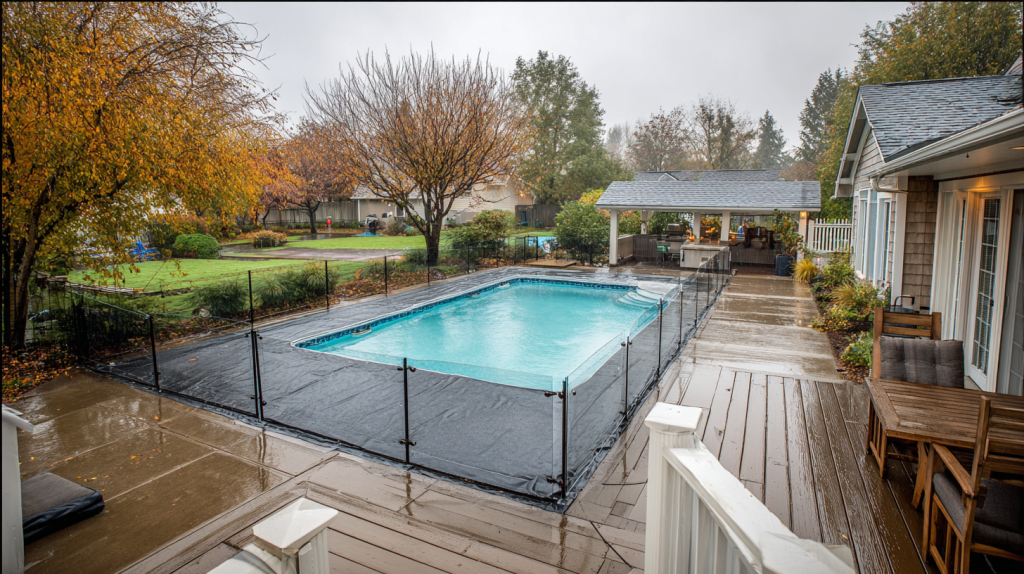
While winter in most parts of Australia isn’t harsh enough to freeze your pool solid, it’s still important to shut things down the right way. Winterising helps protect your equipment, keep algae away, and make reopening your pool in spring much easier.
Here’s your complete step-by-step guide on how to winterise a pool in Australia — with practical tips, product suggestions, and a no-fuss approach that works for both in-ground and above-ground pools.
Why Winterise Your Pool?
If you don’t properly winterise, you could face:
-
Algae blooms
-
Equipment damage
-
Sky-high chemical costs in spring
-
Cloudy water and blocked filters
A well-winterised pool stays clear, balanced, and low-maintenance — even during the cooler months.
Step 1: Clean the Pool Thoroughly
Start by removing all dirt, leaves, and debris from the pool.
✅ Checklist:
-
Skim the surface
-
Brush the walls and floor
-
Vacuum manually or run your robot on deep clean mode
-
Empty the skimmer and pump baskets
This prevents debris from decomposing and throwing off your water balance during winter.
Step 2: Balance the Water
Correct water chemistry keeps algae and bacteria at bay.
Target levels:
-
pH: 7.2–7.6
-
Alkalinity: 80–120 ppm
-
Calcium hardness: 200–400 ppm
-
Chlorine: 1–3 ppm
Use test strips or a digital test kit. Adjust using stabilisers, balancers, or chlorine products from our full range of pool products.
Step 3: Shock the Pool
Use a chlorine shock to kill off any remaining bacteria or organic matter.
Tips:
-
Add in the evening for best effect
-
Run the pump for at least 8 hours afterward
-
Wait 24–48 hours before covering the pool
Shocking creates a clean slate for your winter chemicals to work more effectively.
Step 4: Add a Long-Life Algaecide
Winter algaecides work for up to 3 months and help prevent green outbreaks.
Choose a non-copper, non-foaming algaecide for better clarity and less residue. Always follow the label instructions for dosage.
Step 5: Adjust Filtration Settings
You don’t need to run your pump 8–12 hours in winter.
Recommended:
-
Run for 2–4 hours daily
-
Set a timer so it runs during the warmest part of the day
-
Clean or backwash the filter before reducing runtime
If you plan to fully close your pool (with no filtration), make sure everything is spotless first.
Step 6: Lower the Water Level (Optional)
In areas with heavy rain or flooding, you may want to lower the water just below the skimmer opening.
Note:
-
Don’t drain the pool completely — it can shift or crack
-
Most Aussie pool owners leave water level normal and use an overflow valve instead
Step 7: Cover the Pool
A winter cover:
-
Keeps out leaves and dirt
-
Blocks sunlight (reducing algae growth)
-
Reduces evaporation and chemical loss
Choose a cover designed for winter conditions — not a summer solar blanket. Shop durable covers and accessories in our full pool products section.
Step 8: Maintain During Winter
Even in winter, your pool still needs occasional care.
Monthly tasks:
-
Check chlorine and pH
-
Top up chemicals if needed
-
Remove any debris from the cover or water
-
Run the filter for a few hours to circulate
If you’re using a winter program chemical pack, you may only need minor top-ups.
Optional: Use a Winter Chemical Kit
Winter kits usually include:
-
Shock treatment
-
Algaecide
-
Stain and scale prevention
These pre-measured packs are ideal for hands-off maintenance during the cooler months.
Can You Still Swim in Winter?
Yes — if you have a heater. Just increase filtration time and check chemical levels more often if your pool is in regular use.
For safety and comfort:
-
Keep pool temperature around 27°C
-
Use a cover when not swimming
-
Maintain chlorine above 1 ppm
Conclusion
Winterising your pool in Australia doesn’t have to be difficult. With the right approach, you can keep your pool clean, balanced, and ready for swimming come spring — without expensive cleanup or repairs.
Need help preparing your pool for winter? Visit our full range of pool products for winter kits, covers, algaecides, brushes, test kits and more.
Frequently Asked Questions
Yes — especially if you’re not using it regularly. Winterising helps prevent algae, keeps water balanced, protects equipment and makes reopening your pool much easier in spring.
You’ll need a chlorine shock, long-lasting algaecide, and water balancers (pH, alkalinity, calcium). Optional winter chemical kits combine everything in one pack for convenience.
Reduce pump run time to 2–4 hours per day in winter. Run it during the warmest part of the day to help circulation and maintain chemical efficiency.
In areas with heavy rain or overflowing risk, you can lower the water just below the skimmer. Otherwise, it’s fine to leave it at normal level if your pool has an overflow outlet.
No. Solar covers are designed to trap heat — not protect against algae or debris. Use a proper winter pool cover that blocks sunlight and keeps dirt out.
Yes — just less often. Test your water monthly and add chlorine if it drops below 1 ppm. Winter algaecides can reduce the need for frequent top-ups.
Balance the water, shock the pool before closing, and add a winter algaecide. Keep the pool covered and run the filter occasionally to prevent stagnation.
You may face algae blooms, cloudy water, stained surfaces, and damaged equipment. Proper winter care avoids expensive cleanup and water treatment later.
Yes — if it’s heated and the water is balanced. Just check chemicals more often and increase the filtration time if swimming regularly.
You’ll find winter covers, shock treatments, algaecides, kits and more in our full [pool products](https://www.pumpandpoolpeople.com.au/) range. We stock quality gear for winter care and year-round maintenance.