


Articles
Pool Water Too Warm? Here’s How to Cool It Down
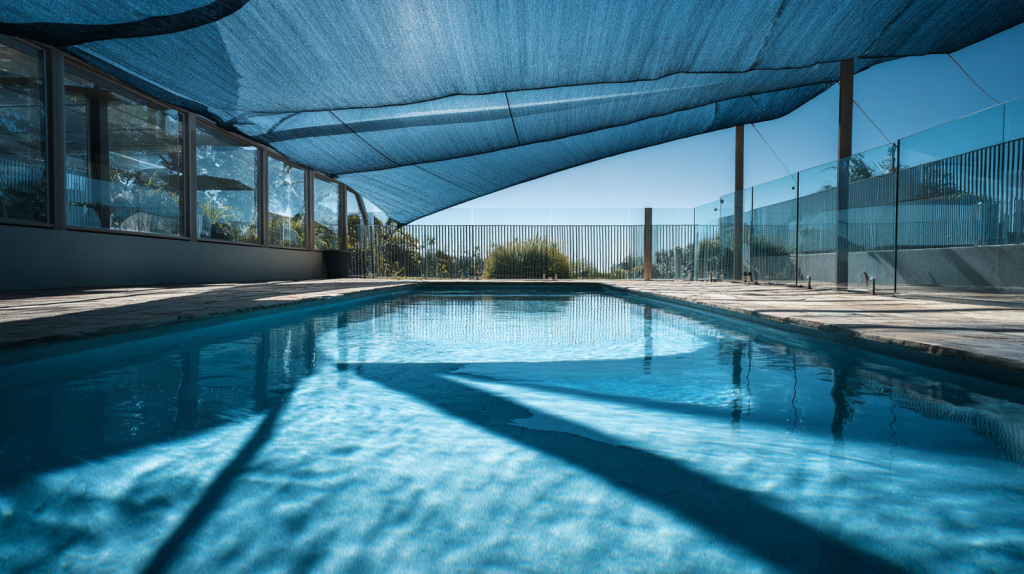
Warm pool water might sound nice — until it starts feeling like a bath. When your pool water stays above 30°C for too long, it becomes uncomfortable and can cause other problems like algae growth and reduced chlorine effectiveness.
In this post, we explain how to cool down pool water, why it happens in the first place, and which solutions work best for Aussie backyard pools.
Why Is My Pool Water So Warm?
Warm pool water is usually caused by:
-
Prolonged sun exposure
-
High daytime air temperatures
-
Lack of shade or cover
-
No overnight cooling
-
Water features or pumps that generate heat
Pools with darker interiors or shallow depth tend to warm up faster.
Problems Caused by Overheated Pool Water
-
Uncomfortable swimming (especially during heatwaves)
-
Faster chlorine loss
-
Higher risk of algae (warm water helps it grow)
-
Lower water circulation efficiency
-
Chemical imbalance
Keeping your pool cooler not only makes it more enjoyable but also reduces the need for extra chemicals.
How to Cool Down Pool Water
1. Run the Pump at Night
Night-time circulation brings in cooler air. Run your pool pump and water features after sunset to promote evaporation and bring water temperature down naturally.
2. Install a Pool Fountain or Aerator
Moving water cools faster through evaporation.
-
Fountains, bubblers or deck jets add airflow
-
Easy to install and cost-effective
-
Great for pools without shade
You can find fountains and accessories in our pool products section.
3. Use a Pool Cooler or Heat Pump with Chiller Mode
Some pool heat pumps come with a cooling function.
-
Cools large volumes of water quickly
-
Ideal for year-round temperature control
-
Best for larger pools or full-day sun exposure
Though a higher investment, it’s one of the most effective options.
4. Add Shade with Umbrellas or Shade Sails
Blocking sunlight prevents heat build-up. Use:
-
Shade sails
-
Market umbrellas
-
Pergolas with open roofs
Shade also helps slow chlorine degradation caused by UV rays.
5. Use a Solar Reflective Pool Cover
Unlike standard pool blankets that retain heat, solar reflective covers are made to:
-
Block UV rays
-
Reduce heat absorption
-
Cool the pool during the day
Remove the cover at night to let heat escape.
6. Top Up with Cooler Water
Add fresh, cool tap water during early mornings or evenings. This helps bring the average temperature down, especially after evaporation losses.
Remember to:
-
Test and rebalance your chemicals after topping up
7. Drain and Refill a Portion of the Pool
For extreme overheating:
-
Drain 10–20% of the water
-
Refill with cooler mains water
-
Monitor chemical balance
Only do this during cooler periods and avoid draining more than 1/3 of your pool.
Best Temperature for Pool Water
| Pool Use | Ideal Temp |
|---|---|
| Leisure Swimming | 25–28°C |
| Lap Swimming | 26–28°C |
| Kids & Elderly | 28–30°C |
| Health & Recovery | 30–32°C |
Once water hits 30°C+, chlorine degrades faster and algae thrives.
Conclusion
If your pool water is too warm, you don’t have to suffer through it. There are simple, low-cost ways to cool things down — like running your pump at night, adding shade, or using a fountain.
For long-term control, consider a cooling-capable heat pump or solar-reflective cover.
Need cooling gear, covers, or water features? Browse our full pool products collection or ask our team in-store.
FAQ
Warm water is usually caused by full sun exposure, heatwaves, shallow depth, and lack of shade. Pumps and water features can also raise the water temperature during the day.
Once pool water exceeds 30°C, it becomes uncomfortable to swim in, chlorine breaks down faster, and algae is more likely to grow. Ideal pool temp is 25–28°C.
Yes. Use night-time circulation, shade, fountains, or partial water replacement to cool water naturally. Chillers are ideal but not always necessary.
Yes. Running your pool pump or fountain at night promotes evaporation, which removes heat and cools the water naturally using the cooler evening air.
Standard covers retain heat. Solar-reflective covers are designed to reflect sunlight and reduce warming. Remove covers at night to allow heat to escape.
Yes. Fountains, aerators and bubblers promote evaporation and circulation, which help lower water temperature. They’re an easy, low-cost cooling solution.
You can drain 10–20% of your water and replace it with cooler tap water. Avoid draining more than one-third at a time. Always rebalance chemicals after topping up.
Yes. Darker surfaces absorb more sunlight and can cause water to heat faster. Light-coloured or tiled finishes stay cooler in direct sun.
No, the salt doesn’t make a big difference in heat absorption. Factors like pool depth, colour, sun exposure and location play a bigger role.
Visit our [pool products](https://www.pumpandpoolpeople.com.au/) section for shade sails, solar-reflective covers, fountains, pumps and heat pumps with cooling features.