


Articles
Should You Run the Pool Pump During the Day or Night?
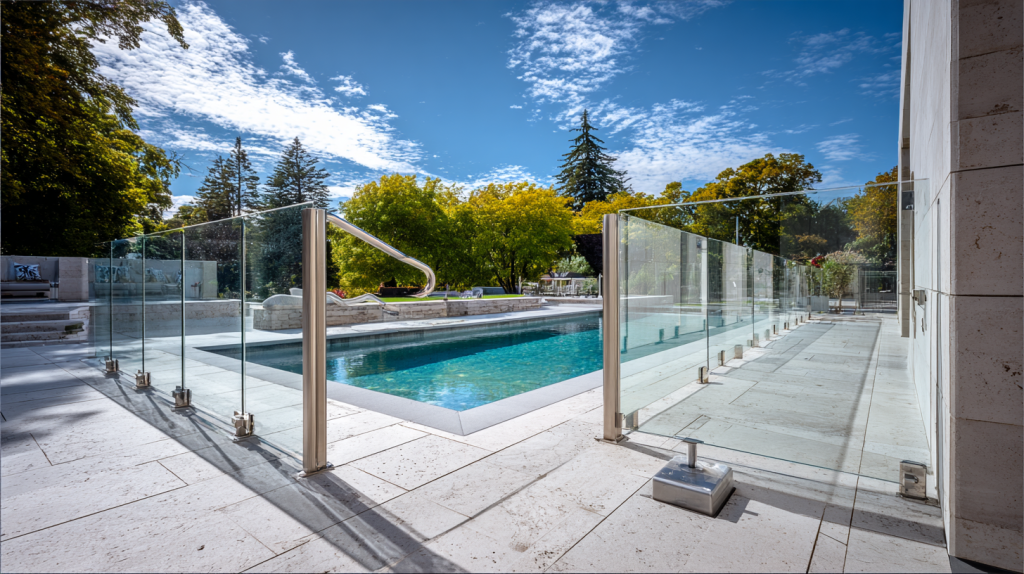
Your pool pump is vital for circulating water, filtering debris, and distributing chemicals evenly. But one of the most common questions pool owners ask is: should I run my pool pump during the day or night?
The answer depends on your goals — water clarity, chemical efficiency, energy savings, or equipment care. In this guide, we explain the pros and cons of both options so you can make the best choice for your setup.
What Does the Pool Pump Actually Do?
The pool pump:
-
Pulls water from the pool via skimmer or main drain
-
Pushes it through the filter
-
Sends clean water back via return jets
-
Helps chemicals circulate evenly
-
Prevents water stagnation and algae buildup
To be effective, your pump should turn over all the water in your pool at least once every 8 hours.
Running the Pool Pump During the Day
✅ Pros:
-
Maximises chlorine effectiveness
Sunlight breaks down chlorine. Running the pump while the sun is out helps circulate and replenish it efficiently. -
Best for heavy pool use
If you swim during the day, running the pump helps filter sunscreen, sweat, and debris. -
Prevents algae growth
Algae grows faster in heat and sunlight. Running the pump during the hottest hours reduces the risk. -
Supports daytime chemical dosing
If you add chlorine or other treatments in the morning, the pump helps distribute them.
❌ Cons:
-
Higher electricity cost
Daytime hours often have peak energy rates, depending on your plan.
Running the Pool Pump at Night
✅ Pros:
-
Cheaper electricity (off-peak hours)
Night-time operation may cost less if your energy provider offers time-of-use tariffs. -
Helps cool the water
Running water at night promotes evaporation, helping to reduce warm water temperature after hot days. -
Less exposure to UV rays
Chlorine isn’t broken down as quickly at night, so you may retain more of your added chemicals.
❌ Cons:
-
Not ideal for chemical circulation
If you add chlorine during the day and the pump is off, chemicals won’t distribute properly. -
Can’t respond to daytime swimmer contamination
If swimmers are using the pool while the pump is off, debris and contaminants won’t be filtered immediately.
The Best Option: Split Schedule
For most pools, a split pump schedule is ideal.
Example:
-
Run 4 hours in the morning (e.g. 6 am – 10 am)
-
Run 4 hours overnight (e.g. 10 pm – 2 am)
This balances:
-
Chemical effectiveness
-
Filtration during swimming
-
Energy efficiency
With a variable-speed pump, you can also run the system longer at lower speeds, further improving savings and water quality.
You’ll find programmable and energy-efficient options in our pool products range.
When to Run the Pump More Often
Increase pump runtime during:
-
Heatwaves (chlorine depletes faster)
-
After pool parties or heavy use
-
Storms or high winds (debris in the pool)
-
Algae treatments or shock dosing
In these cases, it’s better to run your pump for 10–12 hours a day temporarily.
Tips to Get the Most from Your Pump
-
Use a timer to schedule your pump
-
Avoid running 24/7 — it’s rarely needed and costly
-
Clean filter baskets weekly
-
Backwash or clean filters as recommended
-
Use a pool cover to reduce debris and chlorine loss
Conclusion
So, should you run your pool pump during the day or night? Both have benefits.
-
Daytime: Better for chemical effectiveness and algae prevention
-
Night-time: Saves money and retains chlorine longer
For the best results, split your runtime across both day and night to balance energy use and water quality. Upgrade to a programmable or variable-speed pump for even more control and efficiency.
Need a new pump, timer, or energy-saving accessories? Check out our full pool products catalogue or speak to our team for tailored advice.
FAQ
It depends on your goals. Daytime is better for chemical effectiveness and swimmer filtration. Night-time may save money on power. A split schedule is often ideal.
Most pools need 8 hours of circulation daily. This may increase during summer, after storms, or after heavy use. Split the time into two sessions if possible.
Yes, if your electricity provider uses off-peak pricing. Running the pump at night can reduce power bills without compromising water quality — if timed correctly.
Yes, but it’s best to add chlorine in the evening if your pump will run overnight. This ensures proper mixing and effectiveness before swimmers return the next day.
Yes — if you run it long enough to turn over all your pool water (typically 8 hours). However, splitting the run into two sessions improves efficiency and water quality.
Yes. Daily circulation is essential for sanitising, filtering debris, and preventing algae growth. Skipping days increases the risk of cloudy or unsafe water.
Morning (6 am – 10 am) and night (10 pm – 2 am) are ideal. This split schedule balances chemical effectiveness, cooling, and power savings.
Yes. These pumps adjust their speed to your pool’s needs, using less power and allowing longer run times without high electricity costs.
Use the built-in timer or an external programmable timer. Set the pump to start and stop automatically during your chosen hours — especially off-peak times.
Visit our [pool products](https://www.pumpandpoolpeople.com.au/) page for timers, energy-saving pumps, and all the accessories you need for smarter pool circulation.